No Clear Risk Levels
Teams may have assessment results but no consistent way to define whether a vendor is high, medium, or low risk.

Not every vendor carries the same level of risk. Some vendors may support critical operations, access sensitive data, connect to internal systems, or operate in regulated environments. Without a structured scoring approach, teams may struggle to identify which vendors need immediate attention.
SecurEnds helps security, risk, and compliance teams evaluate vendor risk using defined scoring criteria, prioritize high-risk relationships, maintain risk visibility, and connect findings to remediation and reporting workflows.
Vendor assessments can produce a large amount of information. Teams may collect responses, evidence, control details, compliance documents, and findings from multiple vendors. But without a clear scoring and prioritization method, it can be difficult to know what requires action first.
A structured vendor risk scoring process helps teams move beyond basic assessment completion and focus on the vendors, findings, and risks that matter most.
Common vendor risk scoring challenges include:
Teams may have assessment results but no consistent way to define whether a vendor is high, medium, or low risk.
Different teams may evaluate vendors using different risk factors, making it hard to compare vendor risk across the organization.
Security and compliance teams may not have enough time to act on every issue at once, so they need a way to prioritize critical risks.
A vendor’s risk level depends not only on its security controls but also on its business role, system access, data exposure, and operational importance.
Without scoring, remediation can become reactive instead of risk-based.
Leadership needs clear risk levels and prioritization, not only long lists of assessment responses.
SecurEnds helps teams turn vendor assessment results into structured risk scores, risk levels, and action-focused priorities.
SecurEnds supports vendor risk scoring and prioritization as part of the broader third-party risk management workflow. Teams can use assessment responses, evidence, findings, and risk criteria to better understand vendor exposure and decide where to focus attention.
Instead of treating all vendors equally, organizations can use risk scoring to identify vendors that require deeper review, faster remediation, or closer ongoing visibility.
With SecurEnds, teams can support vendor risk scoring activities such as:
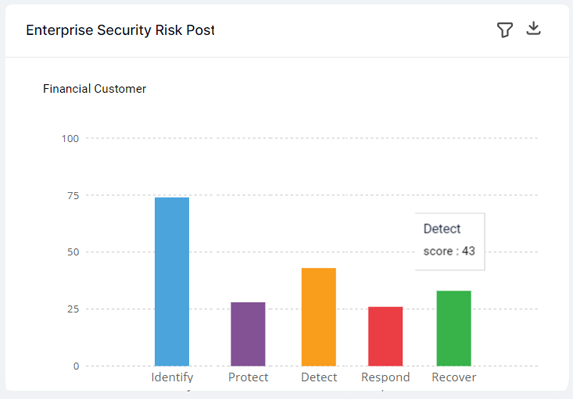

Start with vendor assessment responses, submitted evidence, identified gaps, and control review findings.

Review vendor risk based on defined criteria such as control gaps, data access, business criticality, compliance exposure, and operational impact.

Use structured scoring to help identify vendors or findings that may require higher priority review or remediation.

Group vendors or risks into clear levels such as high, medium, or low priority based on the organization’s risk approach.

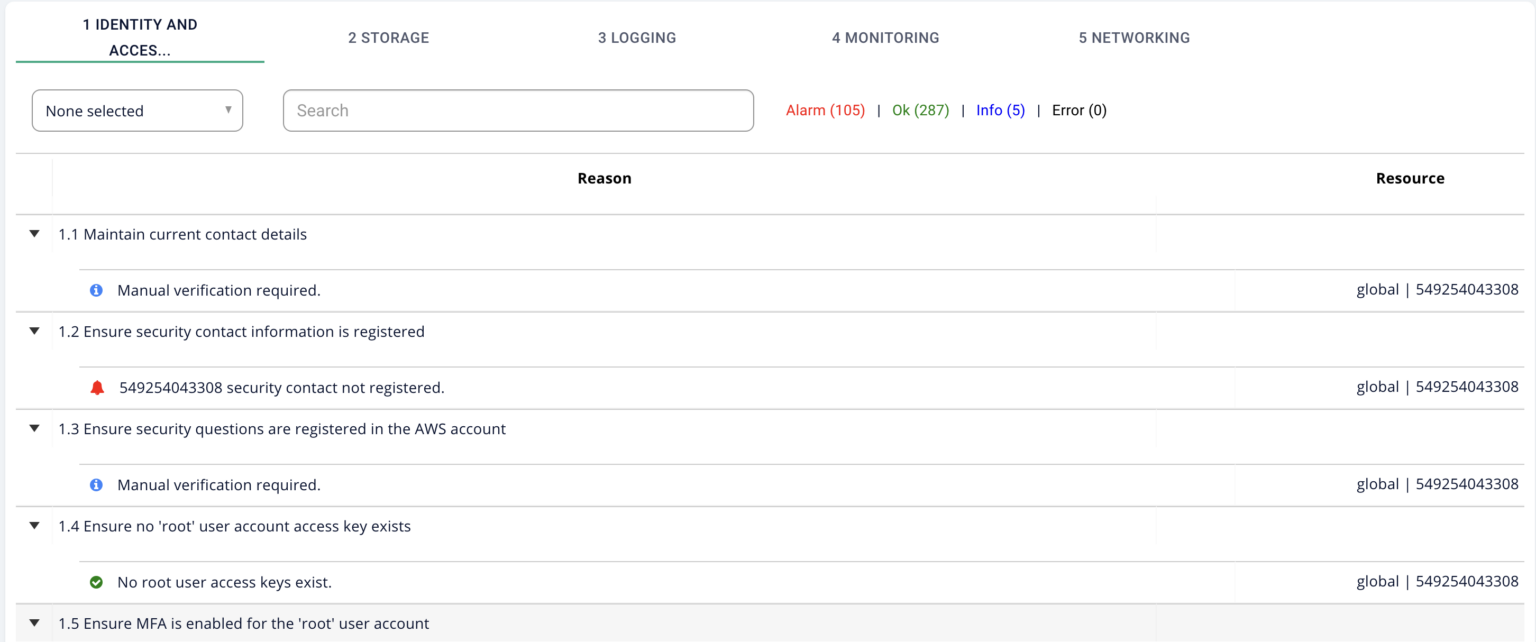
Document identified risks, ownership, exposure, and remediation status in a centralized risk register.

Use reports and dashboards to communicate vendor risk levels, priority findings, and remediation progress.
Evaluate vendor risk using consistent criteria that can support fairer and more repeatable risk decisions.

Organize vendors or findings by risk level so teams can quickly understand which areas need the most attention.
Focus resources on vendors, control gaps, and findings that present the highest risk or business impact.
Maintain a centralized record of identified vendor risks, exposure, ownership, and remediation status.

Maintain a centralized repository of vendor risks, assessment findings, risk scores, supporting evidence, ownership details, remediation activity, and review history.

Support risk evaluation by considering how serious a risk may be and how likely it is to affect the organization.
Connect higher-risk findings to remediation workflows so teams can act on priority risks.
Give stakeholders clear visibility into risk scores, risk levels, open findings, and remediation progress.
A vendor that handles sensitive customer data may require a different level of review than a low-impact service provider. Similarly, a vendor connected to critical systems may require stronger oversight than a vendor with limited operational exposure.
SecurEnds helps teams evaluate vendor risk in a more structured way, so prioritization is based on defined factors rather than manual judgement alone.
Vendor prioritization may consider:

This helps security and risk teams focus on the vendors that may create the greatest impact if a risk is not addressed.
A centralized risk repository helps security, risk, and compliance teams document, review, and manage vendor-related risks in one place. Instead of storing risk findings across spreadsheets, assessment notes, emails, and disconnected systems, SecurEnds helps teams maintain a structured view of third-party risks from identification through resolution.
A risk repository can help teams track:
This gives teams better visibility into what risks exist, who owns them, what action is required, and how each risk is being managed over time.
See how SecurEnds helps teams score vendor risk, organize risk records, and track remediation from one workflow.
Request a DemoRisk scores should help teams take action. Once vendor risks are scored and prioritized, teams need a structured way to assign responsibility and track progress.
SecurEnds helps connect vendor risk scoring with remediation tracking so higher-risk findings can receive the right level of attention.
Use risk scoring to surface vendors or findings that need urgent review.
Connect risks to responsible owners so follow-up activities are clear.
Monitor remediation status and maintain visibility into unresolved risks.
When risks cannot be immediately remediated, teams can document risk context and support better governance decisions.
Executives and business leaders need clear answers. They want to know which vendors create the highest risk, what issues remain unresolved, and whether remediation is moving forward.
SecurEnds helps teams communicate vendor risk more clearly through risk scores, risk levels, dashboards, and reports.
Reporting can help answer questions such as:
This helps move vendor risk conversations from disconnected details to clear, business-relevant insight.
Risk scoring and risk registers are important for audit and compliance because they show how the organization identifies, evaluates, prioritizes, and follows up on vendor-related risks.
SecurEnds helps teams maintain organized records of vendor risks, scoring decisions, evidence, remediation status, and reporting outputs.
This can support:
Potential framework and control alignment may include:
Vendor risk scoring supports multiple teams involved in third-party risk management.
Identify high-risk vendor security findings and prioritize cybersecurity remediation.
Maintain a structured view of vendor risk exposure, risk ownership, and risk treatment status.
Document risk scoring, evidence, and remediation activity for compliance and audit reviews.
Use vendor risk levels to support better third-party decisions and renewal discussions.
Understand the risk associated with vendors that support specific departments or operations.
Gain clear visibility into vendor risk posture, priority risks, and remediation progress.
Use defined risk criteria to support repeatable vendor risk evaluation.
Identify which vendors and findings need attention based on risk level and business impact.
Track vendor risks, ownership, evidence, and remediation activity from one place.
Connect higher-risk findings to action plans and follow-up workflows.
Communicate vendor risk levels, open findings, and remediation progress through dashboards and reports.
Maintain organized records that show how vendor risks are evaluated and managed.
Vendor risk scoring is a key part of third-party risk management. It helps teams move from assessment data to risk-based action.
SecurEnds connects vendor risk scoring with related workflows such as vendor cybersecurity assessments, vendor risk questionnaires, remediation tracking, monitoring, and reporting.
Move from assessment results to risk-based action with vendor risk scoring, prioritization, risk register visibility, remediation tracking, and reporting.