Fragmented Risk Data
Vendor assessment results, evidence, risk scores, and remediation updates may be stored across different tools.

Vendor risk data is only useful when teams can understand it, share it, and act on it. Security, risk, compliance, procurement, business, and executive teams need clear visibility into vendor assessments, risk levels, findings, remediation activity, and audit readiness.
SecurEnds helps organizations turn third-party risk activity into centralized dashboards and reports that support better decisions, stronger governance, and more efficient compliance reviews.
Many organizations collect vendor risk information through assessments, questionnaires, evidence requests, and remediation workflows. But when this information is spread across spreadsheets, emails, documents, and separate tracking systems, reporting becomes slow and unreliable.
Teams may spend hours preparing updates for leadership, auditors, compliance teams, or business owners. Even then, the reports may not give a clear view of which vendors are high risk, which assessments are pending, or which remediation items still need action.
Common vendor risk reporting challenges include:
Vendor assessment results, evidence, risk scores, and remediation updates may be stored across different tools.
Teams often spend unnecessary time collecting information and building reports manually.
Leadership may not have a clear view of high-risk vendors, unresolved findings, and overall third-party risk posture.
Different teams may report vendor risk using different formats, making it difficult to compare results.
When assessment records, evidence, and remediation history are not organized, audit preparation becomes harder.
Without clear dashboards and reports, teams may struggle to prioritize action and communicate risk effectively.
SecurEnds helps teams centralize vendor risk reporting so stakeholders can view assessment activity, risk status, remediation progress, and compliance evidence more clearly.
SecurEnds gives teams a more structured way to report on vendor risk across the third-party risk management process. Assessment results, risk findings, scores, remediation updates, and evidence records can be organized into dashboards and reports for different stakeholders.
Instead of building vendor risk reports manually, teams can use SecurEnds to improve visibility across assessment status, risk exposure, open findings, and remediation progress.
With SecurEnds, teams can support reporting activities such as:
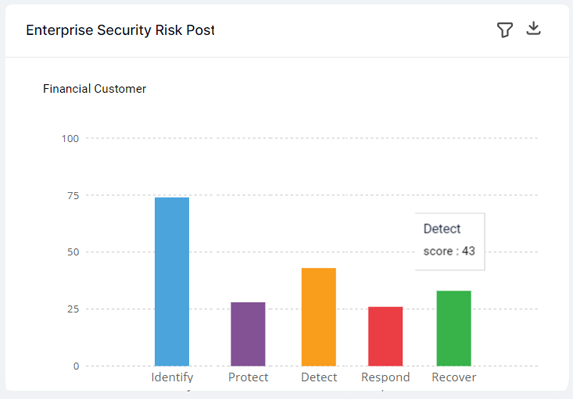

Track vendor assessment progress, completed reviews, pending assessments, and items that require follow-up.

Give teams a centralized view of vendor risk status, risk levels, findings, and remediation activity.

Report on vendor risk scores and priority findings to help teams understand which risks need attention.

Monitor open remediation items, assigned owners, progress updates, and unresolved vendor risk findings.

Keep supporting evidence connected to assessment records so teams can review documentation when needed.

Support internal compliance reviews by maintaining organized records of vendor assessments, findings, and follow-up actions.

Provide leadership with clear, summarized views of vendor risk posture and key areas requiring attention.
See how SecurEnds helps teams report vendor risk, remediation status, evidence, and compliance visibility.
Request a DemoVendor risk reporting should serve more than one team. A security analyst may need detailed findings, while an executive may need a high-level summary. A compliance team may need audit-ready documentation, while a business owner may need vendor-specific status.
SecurEnds helps organize vendor risk information into reports and dashboards that support different stakeholder needs.
Show vendor security gaps, high-risk findings, assessment results, and unresolved control issues.
Highlight vendor risk levels, exposure, prioritization, and risk ownership.
Provide access to assessment records, evidence, reports, and documentation needed for audits and reviews.
Help business owners understand vendor status, open issues, and required follow-up.
Summarize overall vendor risk posture, high-risk vendors, remediation progress, and compliance readiness.
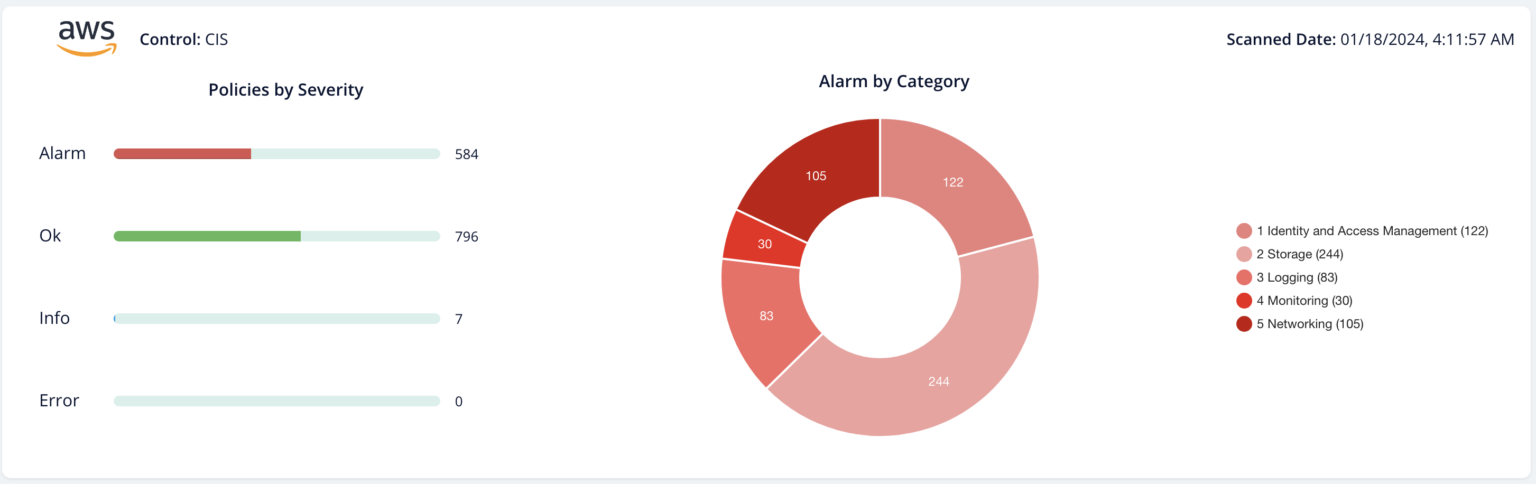
Vendor risk reporting starts with assessment visibility. Teams need to know which assessments are completed, which are in progress, which are pending review, and which vendors need follow-up.
SecurEnds helps teams track assessment activity so vendor reviews do not disappear into spreadsheets or email threads.
Assessment reporting can help teams answer:
This creates a clearer reporting process for security, risk, compliance, and business teams.
A vendor risk report should not only show what was assessed. It should also show what still needs action.
SecurEnds helps teams report on identified findings, remediation ownership, and follow-up activity so stakeholders can understand whether risks are being addressed.
View vendor risks, control gaps, missing evidence, and assessment issues that still require action.
Show who is responsible for remediation or follow-up.
Monitor whether remediation activities are pending, in progress, or completed.
Give teams better visibility into unresolved vendor risk items.
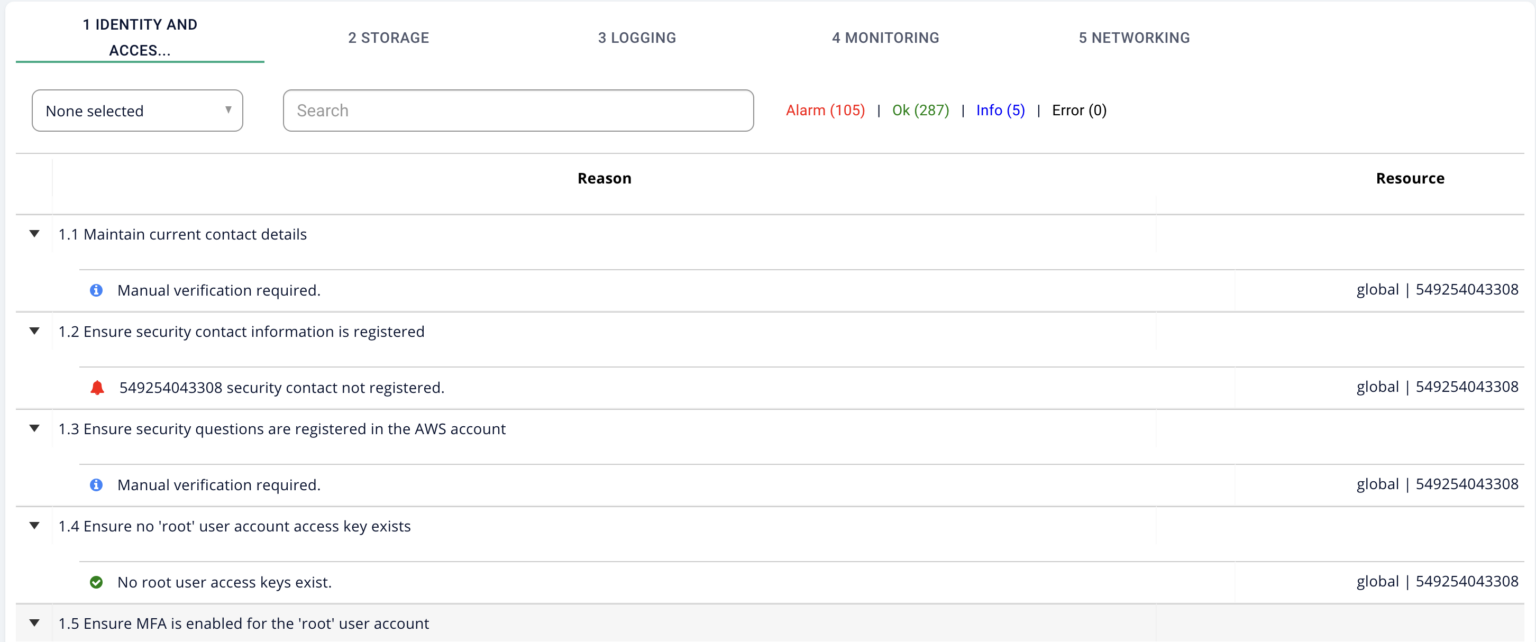
Vendor risk reporting becomes more reliable when it is supported by a centralized risk repository. SecurEnds helps teams connect assessment findings, risk scores, remediation status, evidence, ownership details, and review history into one structured view.
This gives security, risk, compliance, and executive teams better context when reviewing vendor risk reports. Instead of collecting updates from spreadsheets, emails, and disconnected files, teams can report on vendor risk using organized risk records.
A centralized risk repository can support reporting on:
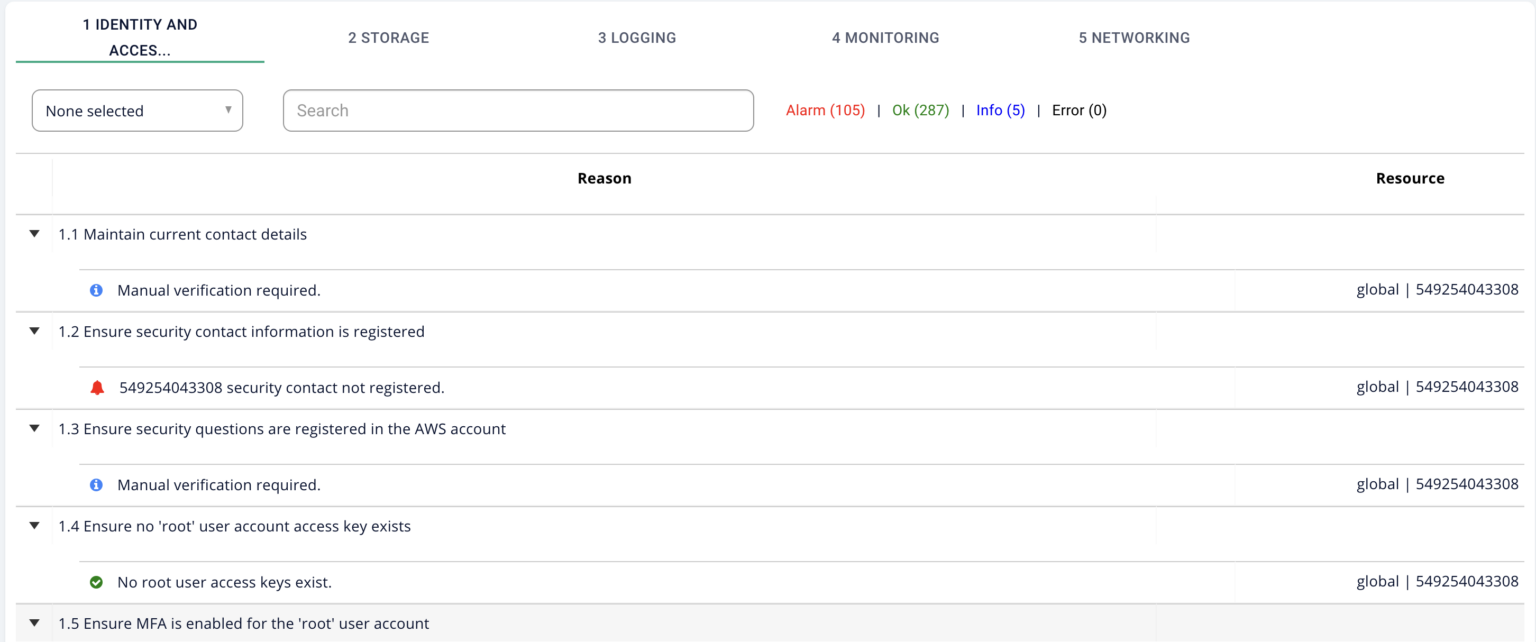
Audits and compliance reviews often require proof that vendor risk has been assessed, documented, reviewed, and managed. When records are scattered, preparing this information can take significant time.
SecurEnds helps teams maintain organized vendor risk records, including assessment responses, evidence, risk findings, remediation status, and reporting outputs. This supports a more consistent and audit-ready approach to third-party risk management.
Vendor risk reporting can support:
Potential framework and control alignment may include:
Third-party risk reports should help teams communicate clearly. Long lists of questionnaire responses are not enough. Stakeholders need to understand what the risk means, why it matters, and what action is being taken.
SecurEnds helps teams present vendor risk information in a more useful way by connecting assessment data, risk scores, findings, remediation updates, and reporting views.
This helps teams communicate:
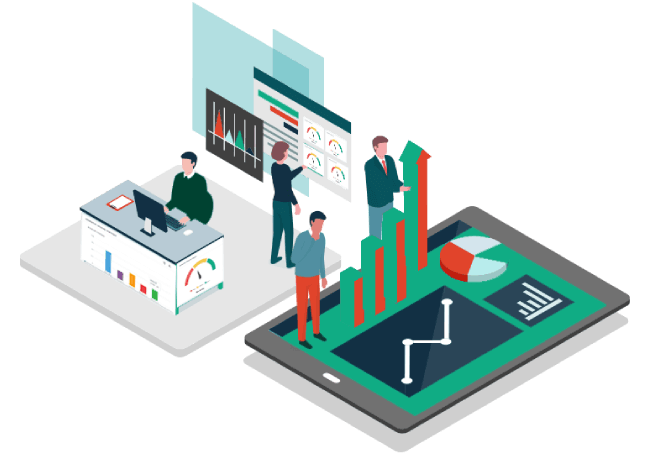
Dashboards help teams move from static reports to more active vendor risk visibility. Instead of waiting for manual reporting cycles, stakeholders can review key vendor risk information in a centralized view.
SecurEnds dashboards can help teams view vendor risk activity such as:
Report on vendor security gaps, unresolved findings, and control-related risk areas.
Track vendor risk levels, exposure, prioritization, and remediation status.
Maintain assessment records, evidence, and reports that support compliance and audit requirements.
Use vendor risk reporting to support review, renewal, and vendor decision-making.
Understand vendor risk status and follow-up actions connected to business operations.
Gain summarized visibility into high-risk vendors, key risk trends, and remediation progress.
Bring vendor assessment data, findings, scores, evidence, and remediation activity into one reporting view.
Reduce manual effort required to prepare vendor risk updates for stakeholders.
Help teams understand which vendor risks need attention and what action is required.
Maintain organized records and reports to support compliance and audit reviews.
Report on open findings, owners, and progress toward resolution.
Give leadership a clearer view of third-party risk posture without relying on disconnected spreadsheets.
Vendor risk reporting is the final visibility layer of the third-party risk management process. It helps teams convert assessments, questionnaires, risk scores, remediation actions, and evidence into useful business insight.
SecurEnds connects reporting with related TPRM activities such as vendor cybersecurity assessments, vendor risk questionnaires, vendor risk monitoring, risk scoring, and remediation tracking.
Give every stakeholder better visibility into vendor risk with dashboards and reports that support assessments, remediation, compliance, audits, and executive decision-making.