Outdated Vendor Risk Records
Vendor assessment information can quickly become outdated when there is no structured process to review and refresh records.

Vendor risk does not end after the first assessment. Vendors change, services expand, controls evolve, remediation may remain open, and new risks can appear throughout the relationship.
SecurEnds helps security, risk, and compliance teams monitor vendor risk through centralized assessment records, risk status tracking, remediation visibility, reassessment workflows, and reporting dashboards.
Many organizations assess a vendor once during onboarding or procurement and then move on. But third-party risk is not static. A vendor may start handling more sensitive data, connect to additional systems, change security controls, delay remediation, or become more critical to business operations.
When vendor risk monitoring is handled through spreadsheets and manual follow-ups, teams may miss important changes, overdue reviews, unresolved findings, or incomplete evidence.
Common vendor monitoring challenges include:
Vendor assessment information can quickly become outdated when there is no structured process to review and refresh records.
Risk findings may be identified during assessments, but teams may not have a clear view of whether remediation is progressing.
Without organized tracking, periodic vendor reassessments can be delayed, skipped, or handled inconsistently.
Vendor documents, assessment responses, evidence updates, and remediation notes may be spread across multiple tools.
Leadership may not have a clear view of which vendors remain high risk, which assessments are pending, and which risks still need action.
When monitoring activity is not documented, it becomes harder to show how vendor risks are reviewed and managed over time.
SecurEnds helps teams maintain ongoing visibility into vendor risk so assessments, findings, remediation, and reporting stay connected.
SecurEnds provides a structured way to track vendor risk activity after the first review. Teams can monitor assessment status, risk findings, remediation progress, evidence updates, and reporting insights from a centralized workflow.
This helps organizations move away from one-time vendor reviews and build a more consistent approach to ongoing third-party risk management.
With SecurEnds, teams can support vendor risk monitoring activities such as:

Start with a structured vendor assessment to collect security, compliance, risk, and control information.

Monitor the assessment status, submitted responses, evidence, identified risks, and open findings.

Review vendor risk records regularly to understand what has changed, what remains unresolved, and what needs attention.

Run reassessments when vendors change, risk levels increase, evidence expires, or periodic reviews are required.

Track remediation actions and follow-ups so identified vendor risks are not left open.

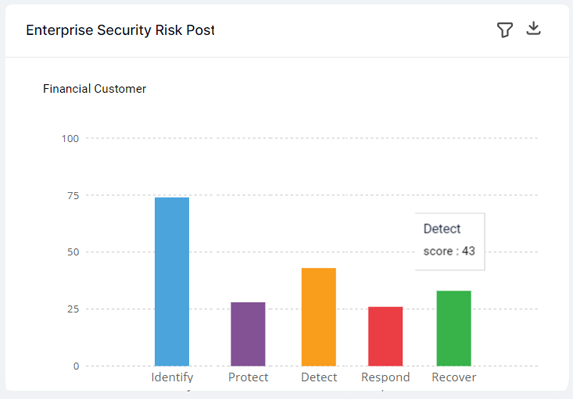
Use dashboards and reports to communicate vendor risk status to security, risk, compliance, audit, and leadership teams.
Monitor where each vendor assessment stands, including completed, pending, in-progress, and review-ready assessments.
Support recurring or follow-up assessments to keep vendor risk information updated over time.

Track open risks, risk levels, assessment findings, and unresolved vendor issues from a centralized view.
Maintain visibility into remediation ownership, follow-up activity, and progress toward resolving vendor risk findings.

Keep supporting evidence connected to vendor assessments so teams can review documentation when needed.
Give stakeholders a clearer view of vendor risk posture, assessment activity, findings, and remediation progress.

Generate reports that help teams document vendor risk monitoring activity and support compliance reviews.
Track reassessments, open findings, remediation progress, and reporting from one centralized workflow.
Request a DemoVendor information can become stale if it is not reviewed regularly. Risk teams need a way to understand when vendor records, assessment responses, evidence, or findings require attention.
SecurEnds helps teams maintain organized vendor risk records so ongoing monitoring does not depend only on manual reminders or scattered documents.
Teams can use SecurEnds to track:
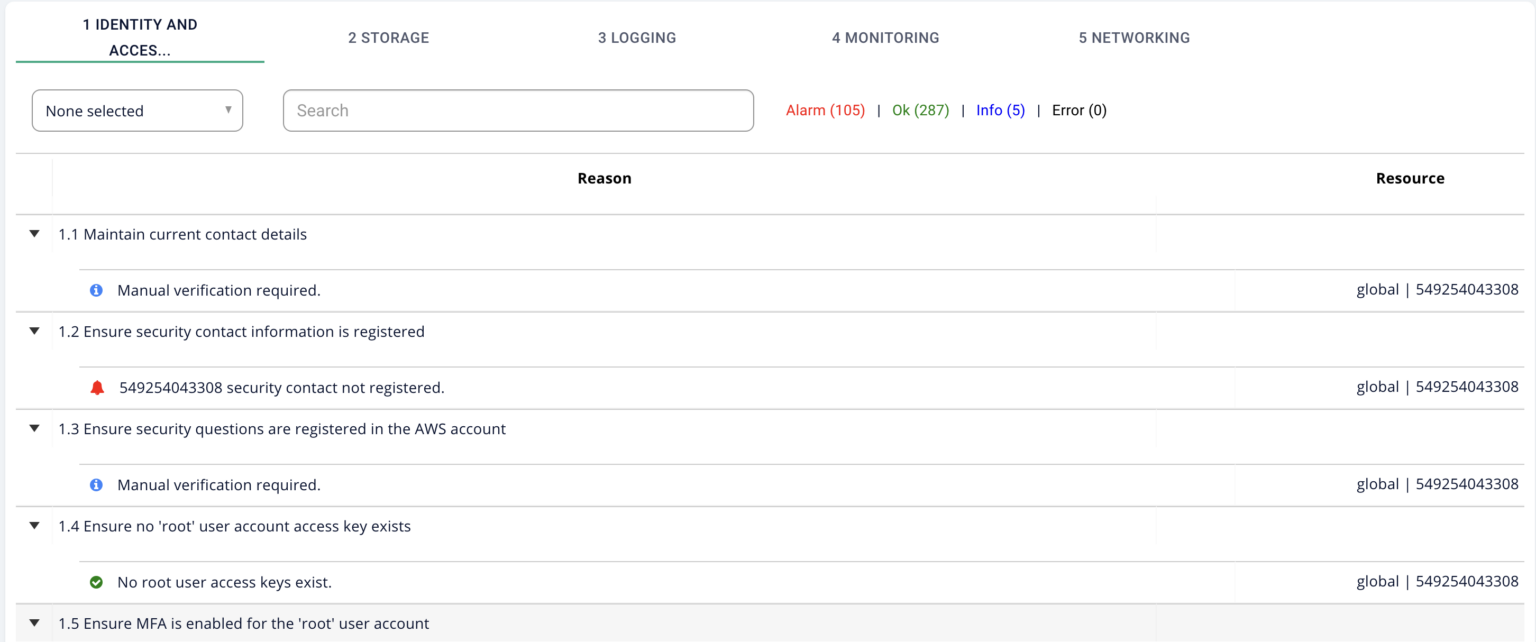
A vendor risk assessment may identify control gaps, missing documentation, weak processes, or unresolved findings. But the real value comes from ensuring that those findings are addressed.
SecurEnds helps teams monitor remediation progress by connecting identified risks with ownership and follow-up activity. This gives security, risk, and compliance teams better visibility into which risks are still open and which actions are moving toward completion.
View vendor risks and assessment findings that require follow-up.
Connect remediation activities to the right teams or responsible owners.
Monitor remediation status so vendor risk does not remain unresolved after the assessment.
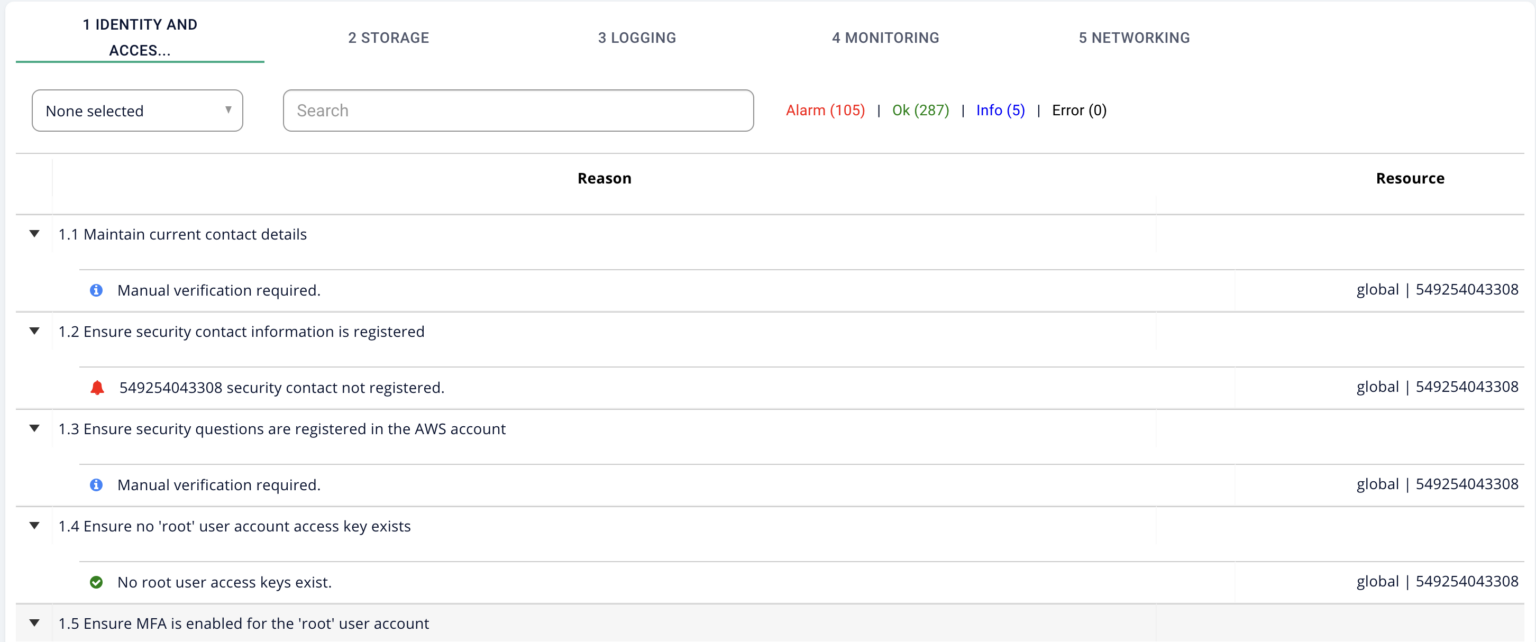
Vendor risk monitoring should include reassessment when risk conditions change or when periodic reviews are required. A vendor that was low risk during the first assessment may become higher risk if its role, data access, system access, or business importance changes.
SecurEnds helps organizations support reassessment workflows so vendor risk records can be refreshed and reviewed over time.
Common reassessment triggers may include:
This helps teams maintain a more current view of third-party risk.
Vendor risk monitoring gives teams a clearer view of what is happening across the vendor ecosystem. Instead of looking at isolated assessments, organizations can monitor assessment progress, risk findings, evidence, and remediation activity together.
SecurEnds helps teams answer important monitoring questions:
This creates better alignment between security, compliance, risk, procurement, and business stakeholders.
Monitoring is more effective when teams can report on vendor risk clearly. SecurEnds helps convert vendor assessment and remediation activity into dashboards and reports for different stakeholders.
Reporting can help teams communicate:
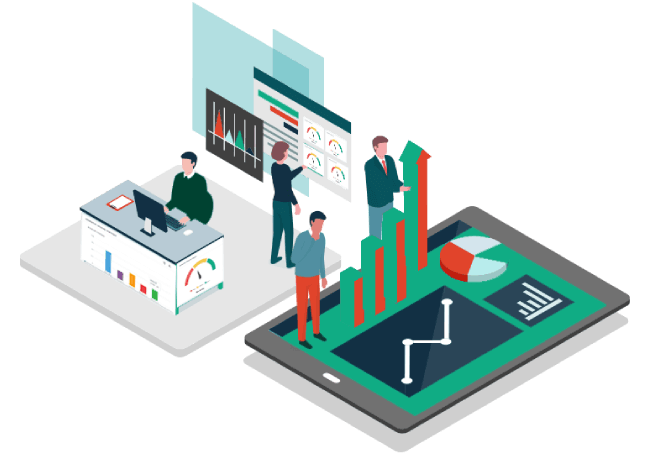
Vendor risk monitoring requires coordination across multiple teams. SecurEnds helps provide shared visibility so each team can understand what needs review, what needs action, and what needs to be reported.
Monitor vendor cybersecurity findings, unresolved control gaps, and reassessment needs.
Track vendor risk status, prioritize open findings, and maintain visibility into third-party risk exposure.
Maintain documentation, evidence, and reporting to support audits and regulatory reviews.
Bring updated vendor risk information into vendor review and relationship decisions.
Stay informed about vendor risk status and help support follow-up actions where business input is needed.
Gain visibility into high-risk vendors, open remediation items, and overall third-party risk posture.
Track vendor risk status beyond the initial assessment and keep risk records more current.
Support recurring and follow-up assessments based on vendor risk, business impact, or compliance needs.
Monitor open findings and remediation progress so vendor risks are followed through.
Keep assessment evidence connected to vendor risk records for easier review and audit preparation.
Give stakeholders dashboards and reports that show risk status, assessment activity, and remediation progress.
Move away from disconnected spreadsheets, email reminders, and manually maintained monitoring trackers.
Vendor risk monitoring is part of a broader third-party risk management process. It helps organizations continue tracking vendor risk after assessments are completed and ensures that findings, remediation, evidence, and reporting stay visible over time.
SecurEnds connects vendor monitoring with related TPRM activities such as vendor risk assessments, questionnaires, risk scoring, remediation tracking, and reporting.
Monitor vendor risk beyond the initial assessment with centralized risk visibility, reassessment workflows, remediation tracking, and reporting dashboards.